

Answer · Drawing requirements
Can I use photographs as patent drawings?
Usually not for utility patents. The USPTO accepts black and white photographs only when a drawing cannot show the invention, such as crystal structures or cell cultures. Design applications may use photographs, but you cannot mix photos and drawings in one application. Most inventors turn product photos into line drawings, which copy cleanly and meet the rules.
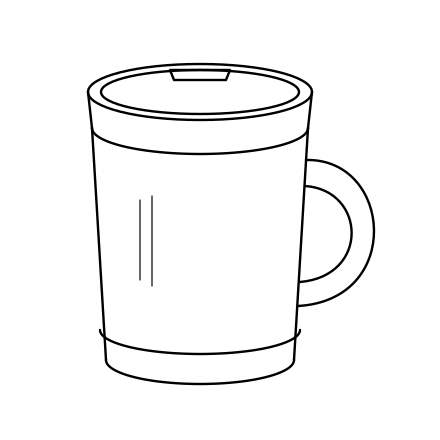
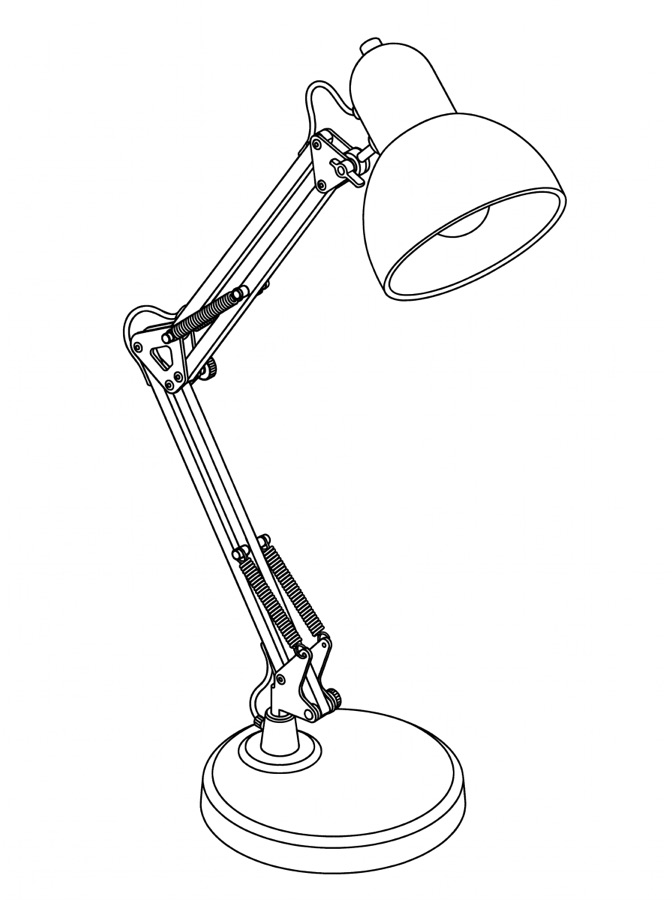
Draw this figure on a filing sheet
Upload a photo, sketch or CAD screenshot, or describe a method. You get black-and-white drawings with editable numerals on USPTO, EPO or PCT sheets. $19 for 40 drawings, one-time.
Open the drawing toolThe details
Photo quality rules
Accepted photos must be sharp, show details clearly and be on the same paper size as drawings, with numerals and FIG. labels added like a drawing.
Why line art is safer
Photos show backgrounds, reflections and textures that are not part of the invention. In a design patent those extra details can narrow or blur what you claim.
Photo to line art
Upload a clear photo of the prototype against a plain background. The tool redraws it as black line art that you can number and lay out on sheets.
Questions people also ask
Can I trace my own photo?
Yes. Tracing your own product photo is a normal way to make drawings.
Should I photograph several angles?
Yes. Each design view needs its own photo or sketch, taken square to that side.
Does color in the photo matter?
No. The output is black line art regardless of the photo's colors.
Official sources
Related questions
More in Drawing requirements
Draw this figure on a filing sheet
Upload a photo, sketch or CAD screenshot, or describe a method. You get black-and-white drawings with editable numerals on USPTO, EPO or PCT sheets. $19 for 40 drawings, one-time.
Open the drawing toolPhoto to patent drawingThis page explains public rules and our tool. It is not legal advice; ask a registered patent attorney or agent about your application.