

Answer · Drawing requirements
Can patent drawings be in color?
It depends on the application type. Under 37 CFR 1.84(a)(2), a utility application can use color drawings or color photos only after a petition is granted, with the 1.17(h) fee and a reason color is necessary. Color drawings are permitted in design applications without a petition, but the specification must still include the color statement. Almost all applications use black and white line drawings instead.
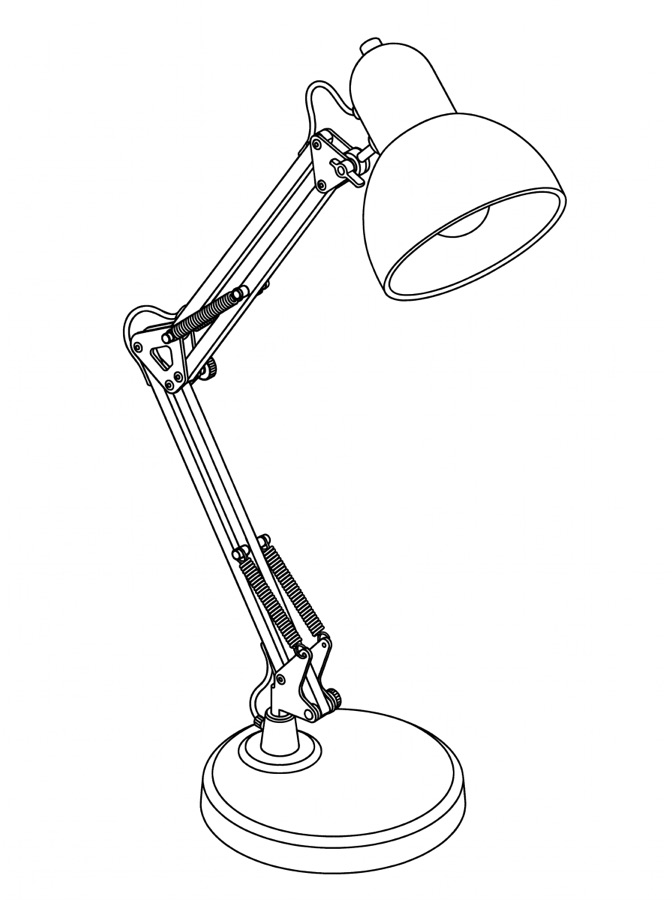
Draw this figure on a filing sheet
Upload a photo, sketch or CAD screenshot, or describe a method. You get black-and-white drawings with editable numerals on USPTO, EPO or PCT sheets. $19 for 40 drawings, one-time.
Open the drawing toolThe details
When color can be justified
Color is argued when the invention cannot be understood without it, such as some biological stains, gel results or heat maps. 'It looks nicer' does not qualify.
Showing color in line drawings
If color is part of a design, it can be shown with standard hatching patterns or described in words, but a design claim in black and white usually covers the shape in any color.
Other offices
The EPO and PCT require black lines; color drawings are reproduced in black and white.
Questions people also ask
What if I file color by mistake?
Expect an objection and a request for black and white replacement sheets.
Can I file color drawings or photos for a design?
Yes. The current rule permits color in design applications without a petition; the color then becomes part of the claimed design, and the specification needs the color statement.
Does the tool export color?
No. Exports are 1-bit black and white, which is what nearly every filing needs.
Official sources
Related questions
More in Drawing requirements
Draw this figure on a filing sheet
Upload a photo, sketch or CAD screenshot, or describe a method. You get black-and-white drawings with editable numerals on USPTO, EPO or PCT sheets. $19 for 40 drawings, one-time.
Open the drawing toolPatent drawing generatorThis page explains public rules and our tool. It is not legal advice; ask a registered patent attorney or agent about your application.