

Answer · Types of figures
What is a perspective view in a patent drawing?
A perspective view shows the object from an angle so that three faces, usually front, side and top, are visible at once. It is commonly FIG. 1 because it gives the reader the overall shape before the detailed views. Patent perspectives are usually isometric or close to it, with light shading to show curves.
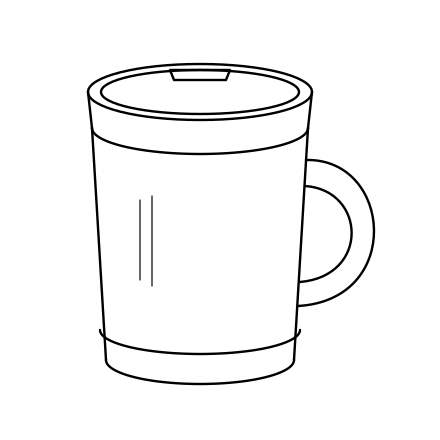
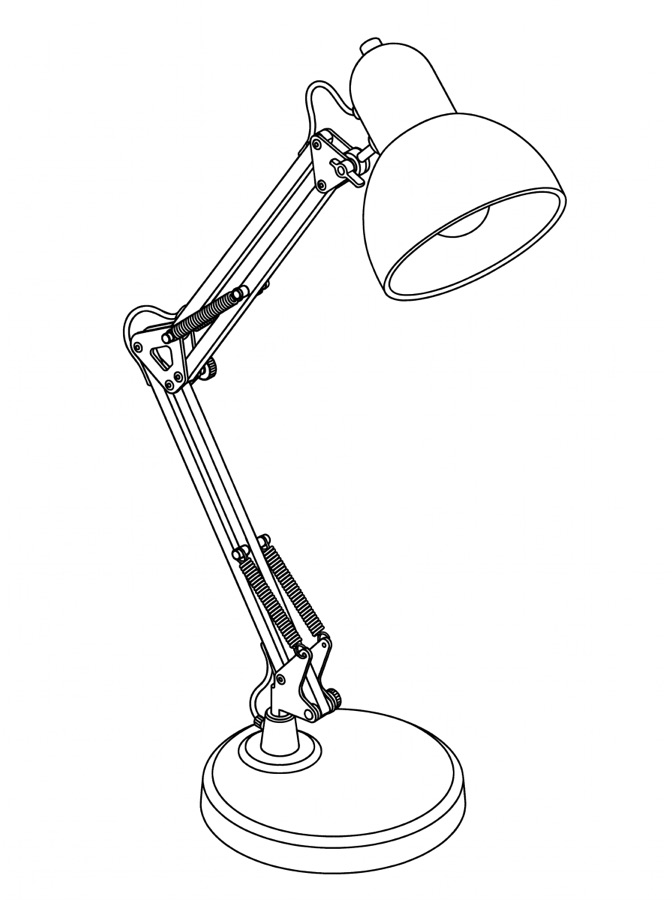
Draw this figure on a filing sheet
Upload a photo, sketch or CAD screenshot, or describe a method. You get black-and-white drawings with editable numerals on USPTO, EPO or PCT sheets. $19 for 40 drawings, one-time.
Open the drawing toolThe details
From a photo
Take the photo from a corner, slightly above, against a plain background, with even lighting. That angle converts most cleanly into a perspective drawing.
Number the main parts here
Because the perspective shows the most parts at once, it usually carries the main reference numerals; later views number the details.
In design applications
Design filings almost always include at least one perspective, often two from opposite corners, alongside the six flat views.
Questions people also ask
Isometric or true perspective?
Either is accepted. Isometric keeps parallel lines parallel, which many drafters find cleaner.
Can the whole invention be one perspective?
For simple objects, sometimes. Most inventions need more views to show every claimed feature.
Does the tool keep the photo's angle?
Yes. The line art follows the angle of your photo or sketch.
Official sources
Related questions
More in Types of figures
Draw this figure on a filing sheet
Upload a photo, sketch or CAD screenshot, or describe a method. You get black-and-white drawings with editable numerals on USPTO, EPO or PCT sheets. $19 for 40 drawings, one-time.
Open the drawing toolPhoto to patent drawingThis page explains public rules and our tool. It is not legal advice; ask a registered patent attorney or agent about your application.