

Answer · By invention type
What drawings does a furniture patent need?
A furniture utility application usually shows the assembled piece in perspective, an exploded view showing how the parts fit, and enlarged views of any joint, hinge, slide or locking part your claims mention. A furniture design application instead shows the piece's appearance from every side plus a perspective, with legs, cushions or hardware drawn as broken lines if you do not claim them.
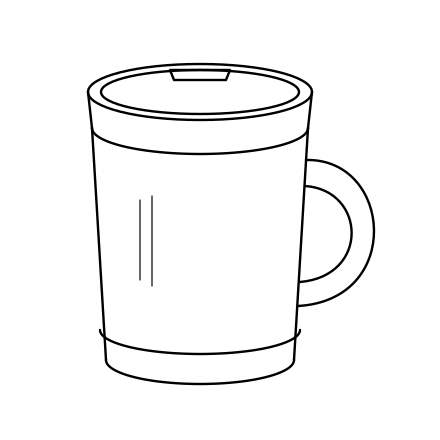
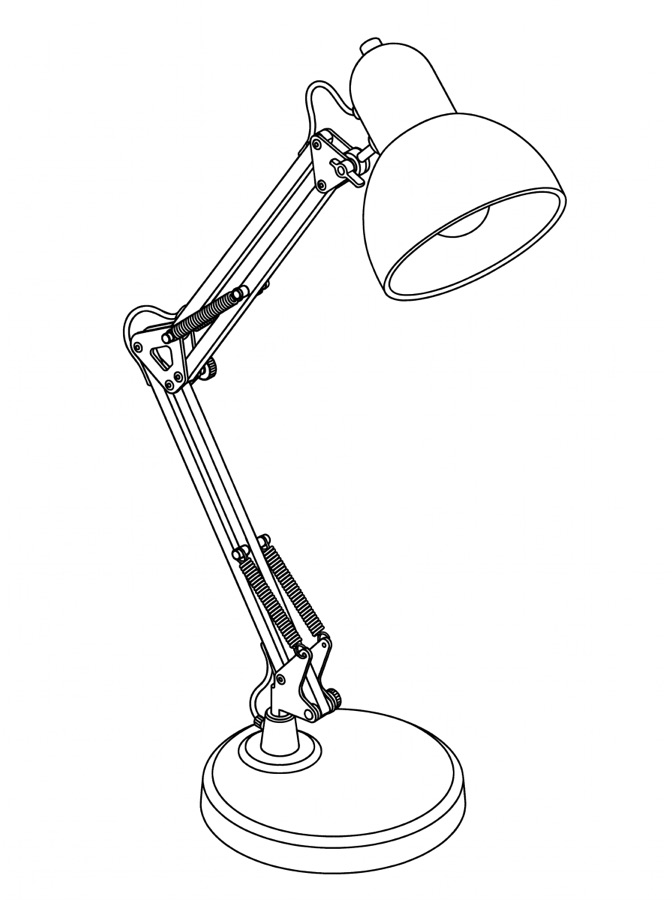
Draw this figure on a filing sheet
Upload a photo, sketch or CAD screenshot, or describe a method. You get black-and-white drawings with editable numerals on USPTO, EPO or PCT sheets. $19 for 40 drawings, one-time.
Open the drawing toolThe details
Show the mechanism, not the upholstery
For utility claims, the folding, sliding or locking parts matter more than fabric texture. Draw the mechanism in more than one position if movement is claimed.
Exploded views for flat-pack
Knock-down and flat-pack furniture is easiest to understand with an exploded view along the assembly axis, every panel and fastener numbered.
Design: decide what is claimed
If only the chair back is new, draw the seat and legs in broken lines so the claim covers the back on any base.
Questions people also ask
Should I show the furniture in a room?
Only as broken-line environment, if at all. A plain background is clearer.
Can I draw from a photo of my prototype?
Yes. Photograph each side square-on; the tool redraws it as line art.
How many figures are typical?
Often 5 to 10 for utility filings with mechanisms, 7 for a design set.
Official sources
Related questions
More in By invention type
Draw this figure on a filing sheet
Upload a photo, sketch or CAD screenshot, or describe a method. You get black-and-white drawings with editable numerals on USPTO, EPO or PCT sheets. $19 for 40 drawings, one-time.
Open the drawing toolPhoto to patent drawingThis page explains public rules and our tool. It is not legal advice; ask a registered patent attorney or agent about your application.