

Answer · Types of figures
How do you draw an exploded view for a patent?
An exploded view shows the parts of an assembly pulled apart along the lines they fit together, so each part and its position are visible. Under USPTO rules the separated parts are grouped by a bracket to show they belong together, and each part gets its own reference numeral. Use thin dash-dot lines to show how parts line up.
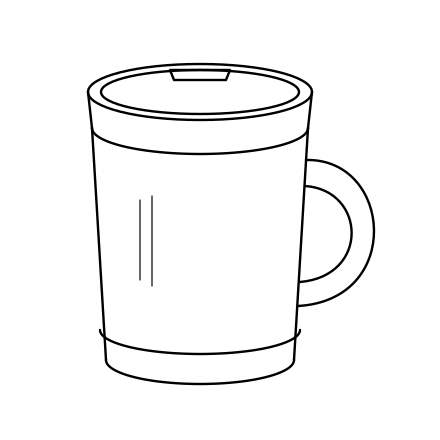
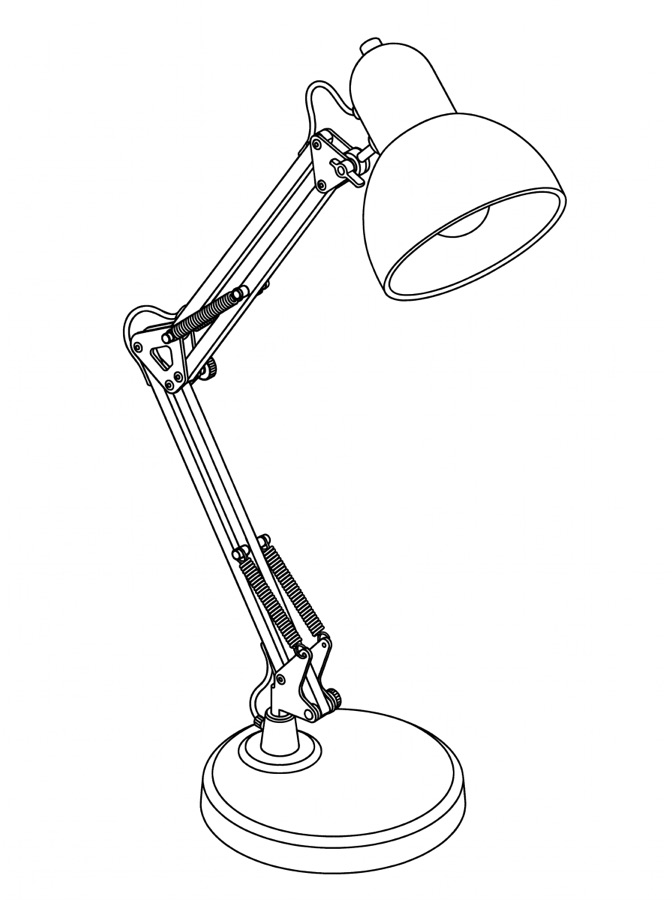
Draw this figure on a filing sheet
Upload a photo, sketch or CAD screenshot, or describe a method. You get black-and-white drawings with editable numerals on USPTO, EPO or PCT sheets. $19 for 40 drawings, one-time.
Open the drawing toolThe details
When to use one
Exploded views suit inventions where the parts and how they connect matter: furniture, latches, housings, tools and kits.
Keep the order
Parts should stay in assembly order along a common axis, so a reader can mentally slide them back together.
Pair it with an assembled view
File the assembled perspective as one figure and the exploded view as the next. Numerals must match between the two.
Questions people also ask
Can an exploded view be on its own sheet?
Yes. When an exploded view and other views share a sheet, the exploded view is placed with a bracket so it is not mistaken for separate figures.
Do design patents use exploded views?
Rarely, because a design patent covers the assembled appearance.
Can the tool make an exploded view?
Yes. Choose exploded view when adding a figure and describe the parts. Each part can then be numbered.
Official sources
Related questions
More in Types of figures
- How do you draw alternative embodiments in a patent?
- What is an assembly view in a patent drawing?
- What is a partial or broken-out section in a patent drawing?
- How do you draw a circuit diagram for a patent?
- What is a cutaway view in a patent drawing?
- How do you show a data structure in a patent drawing?
Draw this figure on a filing sheet
Upload a photo, sketch or CAD screenshot, or describe a method. You get black-and-white drawings with editable numerals on USPTO, EPO or PCT sheets. $19 for 40 drawings, one-time.
Open the drawing toolPatent drawing generatorThis page explains public rules and our tool. It is not legal advice; ask a registered patent attorney or agent about your application.