

Answer · Drawing requirements
How thick should lines be in patent drawings?
No exact thickness is set. The USPTO asks for lines that are durable, clean, black and dark enough to reproduce well, with uniform weight for each kind of line. In practice outlines are drawn heavier than shading, hatching and lead lines, and every line must stay sharp when the drawing is reduced to two thirds of its size.
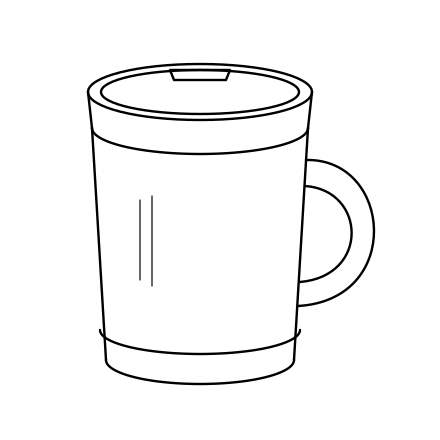
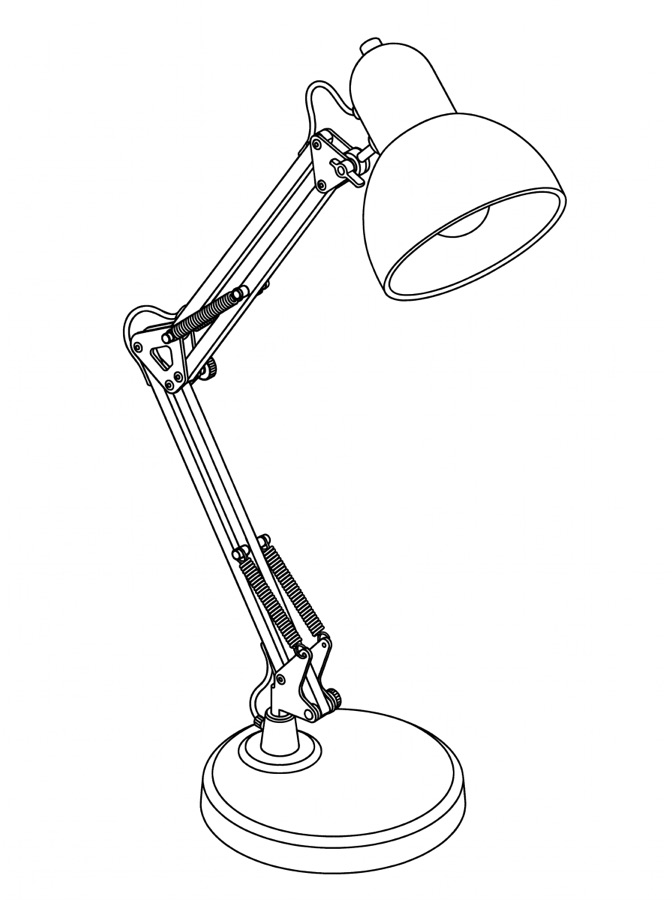
Draw this figure on a filing sheet
Upload a photo, sketch or CAD screenshot, or describe a method. You get black-and-white drawings with editable numerals on USPTO, EPO or PCT sheets. $19 for 40 drawings, one-time.
Open the drawing toolThe details
Line weights by purpose
Use one weight for visible edges, a lighter weight for shading and hatching, and thin lines for lead lines. Hidden edges use short dashes, and center lines use long and short dashes.
Broken lines
Dashed lines show hidden parts in utility drawings. In design drawings they mark parts that are not claimed, which changes what your patent covers, so use them on purpose.
What fails review
Gray, fuzzy or anti-aliased strokes from screenshots, lines that break up when copied, and photos traced too lightly. A 1-bit black and white export at 300 DPI avoids most of these.
Questions people also ask
What resolution should I export at?
300 DPI is the usual minimum for scanned or image drawings. Our PDF and TIFF exports are 1-bit at 300 DPI.
Can lines be colored?
No, unless a color petition is granted. All lines should be black.
Do I need a CAD program?
No. Clear line art from any source is accepted if it meets the rules.
Official sources
Related questions
More in Drawing requirements
Draw this figure on a filing sheet
Upload a photo, sketch or CAD screenshot, or describe a method. You get black-and-white drawings with editable numerals on USPTO, EPO or PCT sheets. $19 for 40 drawings, one-time.
Open the drawing toolPatent drawing generatorThis page explains public rules and our tool. It is not legal advice; ask a registered patent attorney or agent about your application.