

Answer · Types of figures
Should a patent drawing use isometric or perspective view?
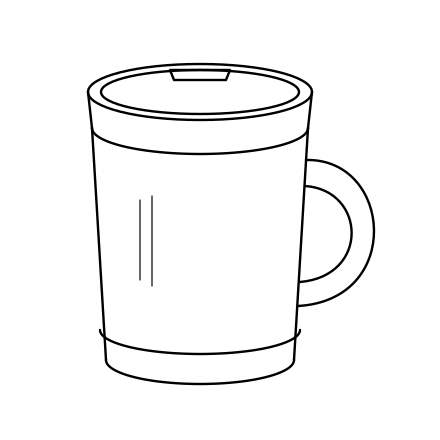
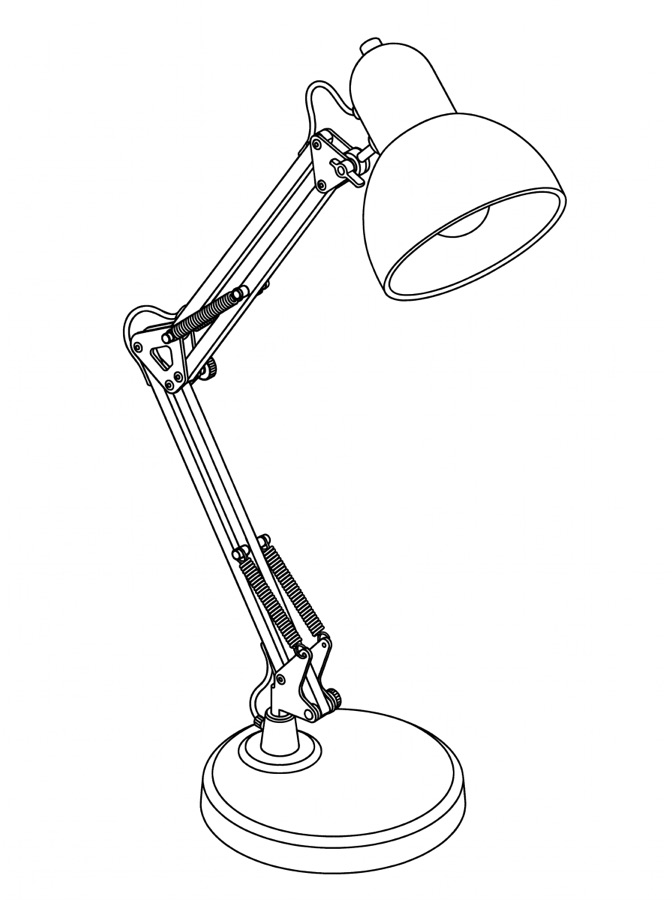
Either works. 37 CFR 1.84(h) allows perspective views and does not say which projection to use, so isometric, near-isometric and true perspective drawings are all filed. Isometric keeps parallel edges parallel and is easier to match across figures; true perspective looks more natural for large objects. PatentDrawingsAI keeps the angle of your photo or CAD screenshot and draws it as line art in minutes, from $19 for a one-time pack of 40.
Draw this figure on a filing sheet
Upload a photo, sketch or CAD screenshot, or describe a method. You get black-and-white drawings with editable numerals on USPTO, EPO or PCT sheets. $19 for 40 drawings, one-time.
Open the drawing toolThe details
Isometric for parts
Equal angles and no vanishing points make isometric views easy to keep consistent, which helps exploded views and figures where the same part appears several times.
True perspective for big objects
A vehicle, a building feature or a long machine can look distorted in isometric. A gentle true perspective reads more naturally.
Scale must survive reduction
Whichever you choose, 1.84(k) requires a scale large enough to show the mechanism without crowding when reduced to two-thirds. Strong perspective shrinks far parts, so watch small features at the back.
Stay consistent
Use the same projection for figures meant to be compared, such as an assembled view and its exploded view, so parts keep the same shape.
Common mistakes
- Using a wide-angle phone photo as the base, which exaggerates near parts
- Switching projection between an assembly and its exploded view
Questions people also ask
Do design patents prefer one?
Neither is required. The perspective in a design set must agree with the orthographic views.
Can I mix isometric and perspective figures?
Yes, in different figures. Just do not switch within one figure.
Does the tool change my angle?
It follows the angle of the input image.
Official sources
Related questions
More in Types of figures
- How do you draw alternative embodiments in a patent?
- What is a partial or broken-out section in a patent drawing?
- How do you draw a circuit diagram for a patent?
- How do you draw a cross-section in a patent drawing?
- What is a cutaway view in a patent drawing?
- How do you show a data structure in a patent drawing?
Draw this figure on a filing sheet
Upload a photo, sketch or CAD screenshot, or describe a method. You get black-and-white drawings with editable numerals on USPTO, EPO or PCT sheets. $19 for 40 drawings, one-time.
Open the drawing toolPatent drawing generatorThis page explains public rules and our tool. It is not legal advice; ask a registered patent attorney or agent about your application.