

Answer · Drawing requirements
How are hidden parts shown in utility patent drawings?
37 CFR 1.84 has no paragraph on hidden lines in utility drawings, so drafters choose among a few accepted ways: a section view under 1.84(h)(3), a cutaway or broken-out section, or sparse dashed lines for a hidden edge that matters. Design drawings are different: 1.152 bars broken lines for hidden surfaces. PatentDrawingsAI can draw section and cutaway figures in minutes, with 40 drawings for $19 and the first redraw of each free.
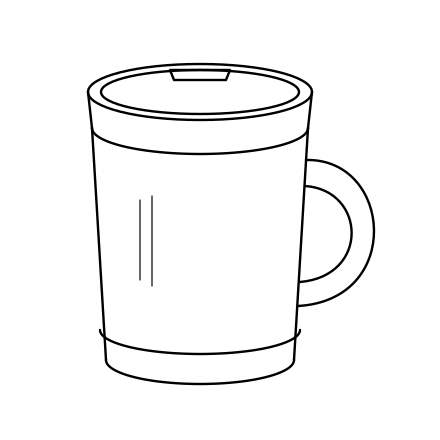
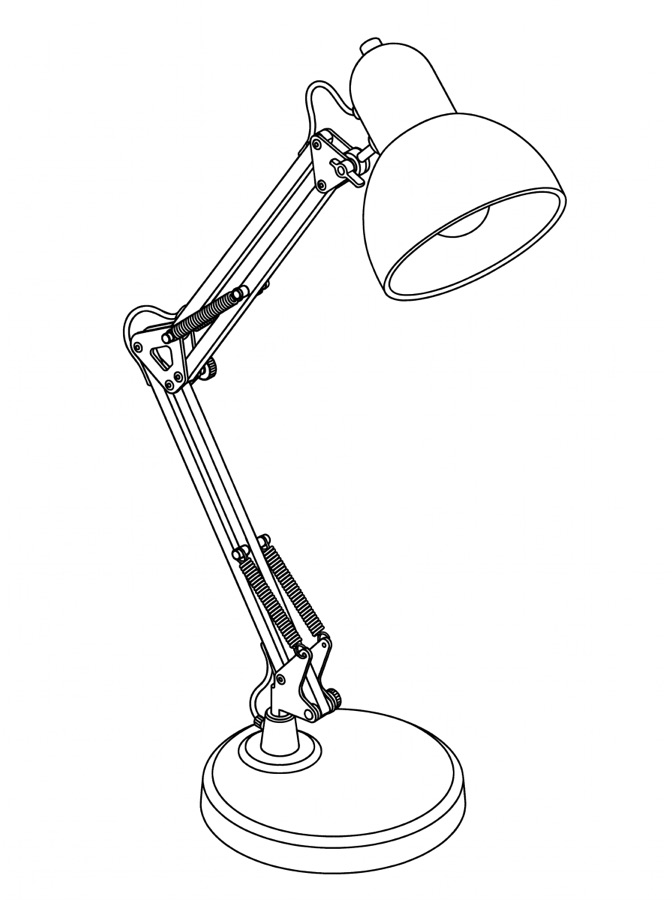
Draw this figure on a filing sheet
Upload a photo, sketch or CAD screenshot, or describe a method. You get black-and-white drawings with editable numerals on USPTO, EPO or PCT sheets. $19 for 40 drawings, one-time.
Open the drawing toolThe details
Section first
When the inside is the point, a section view shows it with hatching and clear lines. 1.84(h)(3) sets how the cut is marked and hatched.
Dashed lines sparingly
A few dashed lines can show a hidden channel or pin. Full CAD hidden-line output usually adds dozens of dashes that crowd the view and fail the two-thirds legibility test of 1.84(k).
Broken lines have other jobs
1.84 already uses broken lines for section planes and for moved positions in (h)(4). Explain in the description what dashed lines mean in each figure.
Design drawings differ
37 CFR 1.152 says broken lines may not show hidden planes and surfaces that cannot be seen through opaque materials. In a design application, a hidden surface is simply not drawn.
Transparent housings
If the housing is actually transparent, showing interior parts through it is not a hidden-line question; say in the text that the part is transparent.
Common mistakes
- Exporting every hidden edge from CAD
- Dashed lines that look like the section plane line
- Using hidden lines in a design patent drawing
Questions people also ask
Should I keep CAD hidden lines?
Usually turn them off and add only the few that the description discusses.
Is a cutaway better than hidden lines?
For complex interiors, yes; it shows real outlines instead of overlapping dashes.
Can the examiner object to dashed lines?
If they make the figure unclear, the examiner can object under 1.84 line and legibility rules.
Official sources
Related questions
More in Drawing requirements
Draw this figure on a filing sheet
Upload a photo, sketch or CAD screenshot, or describe a method. You get black-and-white drawings with editable numerals on USPTO, EPO or PCT sheets. $19 for 40 drawings, one-time.
Open the drawing toolPatent drawing generatorThis page explains public rules and our tool. It is not legal advice; ask a registered patent attorney or agent about your application.