

Answer · Objections and fixes
How do you fix an objection to shading in patent drawings?
Replace the objected shading with spaced black lines as 37 CFR 1.84(m) describes: light coming from the upper left at 45 degrees, no solid black fill, and lines open enough that edges and numerals stay legible. Then file the corrected figures as replacement sheets without adding any new structure. PatentDrawingsAI redraws an objected figure as clean line art in minutes, from $19 one-time for 40 drawings, and its export report flags grey pixels before you file.
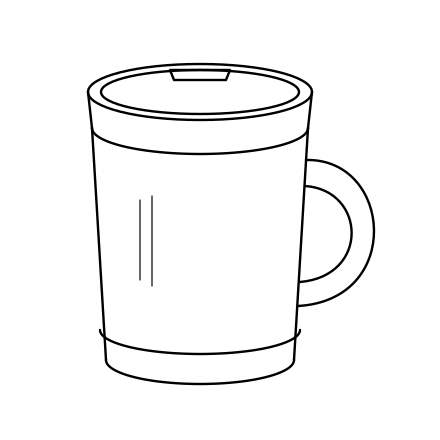
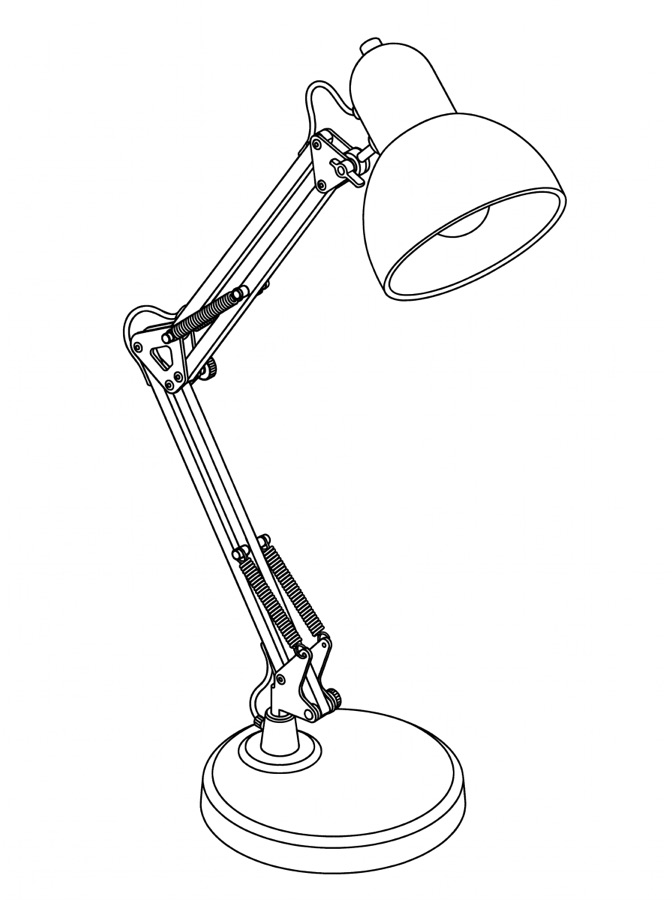
Draw this figure on a filing sheet
Upload a photo, sketch or CAD screenshot, or describe a method. You get black-and-white drawings with editable numerals on USPTO, EPO or PCT sheets. $19 for 40 drawings, one-time.
Open the drawing toolThe details
Identify the actual defect
Shading objections usually trace to one of three things: grey tones or gradients from a rendered image, solid black areas, or line shading so dense that edges and numerals disappear. Each has a different fix, so read the Office action wording before redrawing.
Tones become line shading
1.84(m) calls for shading by spaced lines (or stippling) rather than tone. Turn each gradient into evenly spaced strokes, packed tighter on faces that point away from the light, and keep them thin enough not to read as solid black.
Leave white space around numerals
Under 37 CFR 1.84(p)(3), a numeral sitting on a shaded face needs a blank patch around it. Erase a small clearing in the line shading behind each such numeral.
Hatching is a separate rule
Hatching of a cut face falls under 1.84(h)(3), with regularly spaced oblique lines. If the objection names surface shading, do not strip the section hatching, and vice versa.
Removing shading is an option for utility figures
Shading is encouraged in utility drawings only when it aids understanding, so plain outlines can be enough. Design drawings are different: 37 CFR 1.152 expects surface shading to show the character and contour of surfaces, and changing it can affect what the design shows, so check with your attorney or agent first.
Common mistakes
- Filling dark faces with solid black.
- Adding shading that reveals contours the original figures never showed, especially in a design case.
- Placing numerals directly on dense line shading.
Questions people also ask
Is shading required in utility patent drawings?
No. 1.84(m) encourages it where it helps understanding and stays legible; outline views without shading are common.
What if the objection appears in a Notice of Allowability?
Under 37 CFR 1.85(c) the corrected drawings are due within the period set in that notice, and that period cannot be extended.
Will a colour petition solve a shading objection?
No. The colour petition under 1.84(a)(2) is for drawings where colour is necessary; grey shading is fixed by converting it to black line shading.
Can I just raise the contrast on the old image?
Usually not. A higher-contrast render still contains grey pixels and soft edges; redrawing as line art removes them.
Official sources
Related questions
More in Objections and fixes
- What is an annotated sheet showing changes?
- How do you cancel a figure from a patent application?
- How do you petition to file color patent drawings?
- Why are design patent drawings rejected as indefinite?
- Can you fix patent drawings after a notice of allowance?
- How long do you have to respond to a drawing objection?
Draw this figure on a filing sheet
Upload a photo, sketch or CAD screenshot, or describe a method. You get black-and-white drawings with editable numerals on USPTO, EPO or PCT sheets. $19 for 40 drawings, one-time.
Open the drawing toolPatent drawing generatorThis page explains public rules and our tool. It is not legal advice; ask a registered patent attorney or agent about your application.