

Answer · Tools compared
How accurate are AI patent drawings?
AI patent drawings are usually faithful to overall shape but not reliable on small detail: generated line art can drop, merge or invent features such as thin ribs, threads, holes or hidden parts. That matters because 37 CFR 1.83(a) requires every claimed feature to be shown, and drawings filed later cannot add new matter. PatentDrawingsAI works from your photo in minutes, from a one-time $19 pack of 40, and the first redraw of each figure is free, so a wrong detail can be fixed before export.
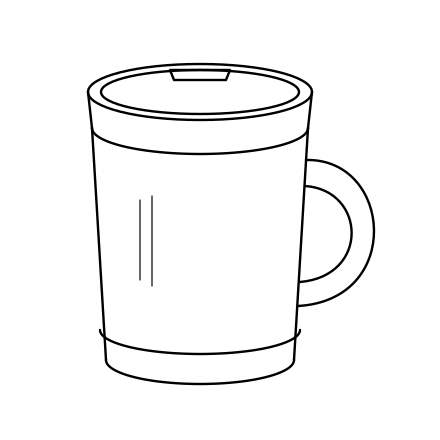
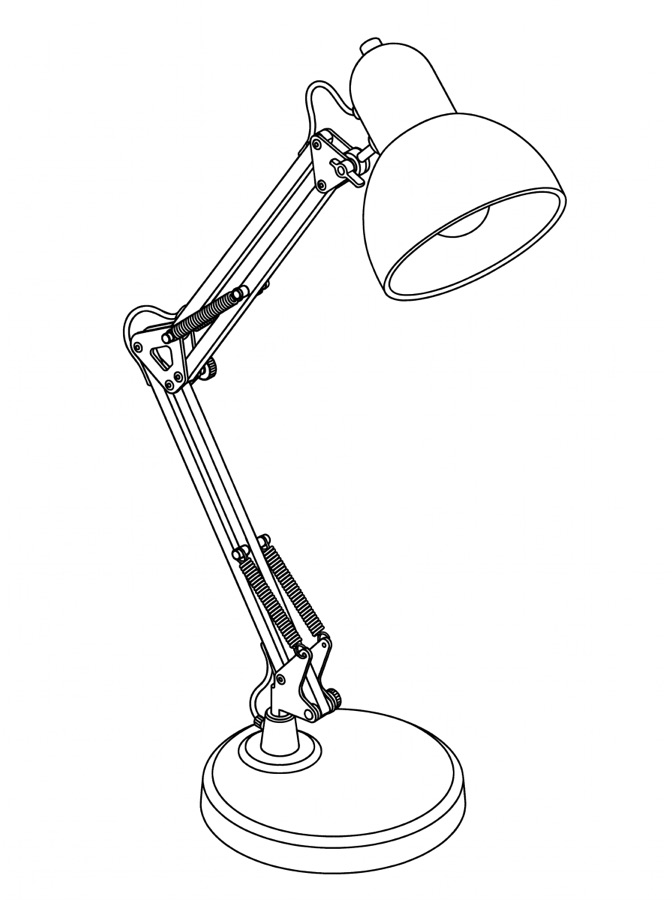
Draw this figure on a filing sheet
Upload a photo, sketch or CAD screenshot, or describe a method. You get black-and-white drawings with editable numerals on USPTO, EPO or PCT sheets. $19 for 40 drawings, one-time.
Open the drawing toolThe details
Where errors tend to appear
Small repeated features (screw threads, vents, knurling), parts behind other parts, transparent sections and fine text on the product are the areas to check first in any generated figure.
The photo sets the ceiling
A straight-on photo in even light with a plain background gives the model less to guess. Glare, heavy shadow and wide-angle distortion are common sources of wrong edges.
Numerals are not generated
Reference numerals sit on an editable layer rather than inside the image, so their position and numbering are what you set, and duplicates are flagged.
Diagrams are exact by construction
Flowcharts and block diagrams are built from your text and drawn by code, so the box text is what you typed and the arrows are regular.
Views must agree
1.84(p)(4) keeps one character per part across views, and in design applications MPEP 1503.02 links inconsistent views to rejections under 35 U.S.C. 112. Compare every view with the others, not only with the product.
Common mistakes
- Approving a figure from a thumbnail; check it at full size.
- Leaving in a feature the model added that the description never mentions.
- Assuming a feature hidden in the photo will appear in the drawing.
Questions people also ask
Is there a published accuracy rate?
We do not publish one. Accuracy depends on the object and the input, so every figure should be reviewed.
What if a detail is wrong?
Use the free first redraw for that figure, or start from a clearer photo or a CAD screenshot.
Who is responsible for accuracy?
The applicant. Neither a tool nor a drafter signs the application.
Official sources
Related questions
More in Tools compared
Draw this figure on a filing sheet
Upload a photo, sketch or CAD screenshot, or describe a method. You get black-and-white drawings with editable numerals on USPTO, EPO or PCT sheets. $19 for 40 drawings, one-time.
Open the drawing toolPhoto to patent drawingThis page explains public rules and our tool. It is not legal advice; ask a registered patent attorney or agent about your application.